. Dedicated athletes could tell us all about where and how things hurt. Some might say, “Well, they’re active, they’re moving around, they’re playing sports—their bodies are used to the strain, so how can anything hurt?
” Yes, their bodies are used to the strain, but unfortunately, professional athletes often push themselves beyond what their bodies can handle, causing their joints to wear out much faster—and cartilage doesn’t regenerate on its own. Many retire from sports in the prime of their lives, when the rest of us are enjoying life to the fullest, yet their bodies are “worn out.” Why do they do it? They live for sports—it’s their livelihood—but above all, they’ve become obsessed with it and are driven by the pursuit of results; they want to keep improving. It’s their drug.
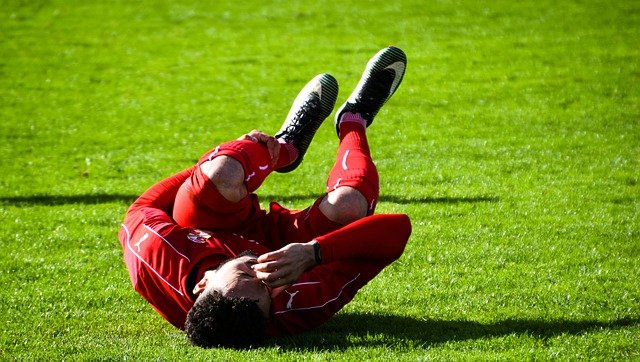
But there are also plenty of amateurs who engage in sports and don’t know their limits—or rather, don’t want to know them—and end up overworking their bodies. Joint wear and tear occurs even in everyday life—through aging—and many people add to it by building a house, going to extreme lengths to fulfill their dream. Why would they make multiple trips with a wheelbarrow full of bricks when they can load twice as many and haul them all at once…? And so they carry on like this for years on their own, but don’t feel any symptoms right away. He’s tired, yes, but his joints slowly start to give out, and they wear out much sooner than those of his peer of the same age who took care of his joints and didn’t overwork them. Unfortunately, some people won’t take advice, and by the time they reach an advanced age, it’s already too late to do anything about it. Joint pain and swelling may then appear seemingly out of the blue, but we know that this has been building up for quite some time, during which the person in question “didn’t take it easy.”
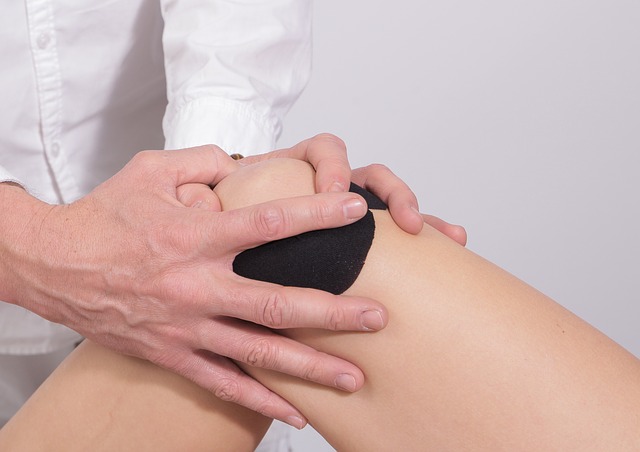
Joint wear and tear primarily affects older adults, obese individuals, the active professional athletes mentioned above, as well as those who have been sedentary for a long time or are subjected to one-sided strain without the ability to vary their activity.
That’s why it’s a good idea to exercise sensibly and take dietary supplements that help you maintain the right balance of vitamins, minerals, and hydrolyzed collagen, as well as to use various orthoses, bandages, and sleeves as a preventive measure.