Noble Duels


In days of yore, an insult between men could be washed away only with blood. This was especially true when it came to nobles. A peasant, on the other hand, had entirely mundane concerns, such as
: how to feed his fifth child, who was on the way
– whether his wife, weakened by poverty, would survive
childbirth- whether he would ultimately have to sell his last cow to get through the worst
of it historický šerm
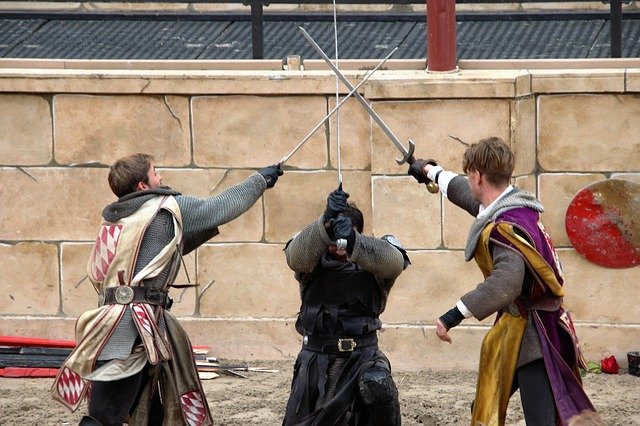
Simply put, his head was full of mundane concerns, and he had absolutely no interest in such noble pastimes as duels.
·        Duels became a huge craze, especially during the Napoleonic Wars.
· Ordinary soldiers followed the example of their officers, and so duels were almost a daily occurrence.
In the army of Emperor Napoleon I, soldiers chose between a rapier, a pistol, and a saber. Opponents must secure at least two seconds. These are necessary witnesses, who usually come from the circle of friends of the feuding soldiers. A duel can end with the first drop of blood, but also with the death of one of the participants.
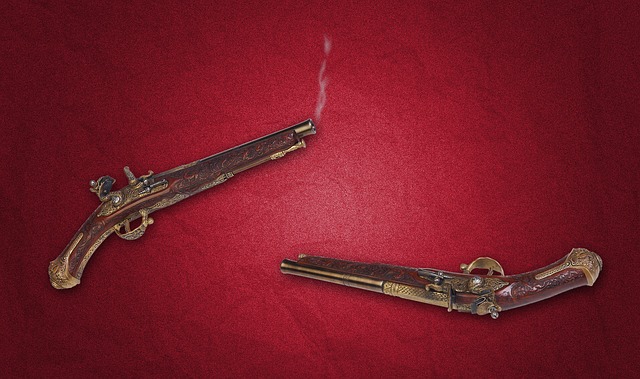
vintage pistole

An apology could have saved lives

The duel proceeded depending on the nature of the insult hurled at the offended party. Insults were divided into three categories:
1. Simple—could arise solely from rudeness.
2. A curse—could be directed at a soldier (or nobleman) present at the time or at someone close to him.
3. A blow—this was serious.
Sometimes a duel was provoked by one person slapping the other across the face with a glove. In the first two cases, the duel could still be prevented if an apology was conveyed through a second. In the case of an insult involving a blow, an apology usually did not take place. Duels had their own strict rules. Essentially, there were two types:
– A duel with fixed positions—on command, the opponents fired at each other in a specified order. Usually the offended party started, but sometimes it was decided by drawing lots.
– A duel with fixed positions and free firing—the opponents stood with their backs to each other. On command, both turned around and fired. Either could fire at any moment.
The duel usually ended with the first shot.

Noble Duels


In days of yore, an insult between men could be washed away only with blood. This was especially true when it came to nobles. A peasant, on the other hand, had entirely mundane concerns, such as
: how to feed his fifth child, who was on the way
– whether his wife, weakened by poverty, would survive
childbirth- whether he would ultimately have to sell his last cow to get through the worst
of it historický šerm
Simply put, his head was full of mundane concerns, and he had absolutely no interest in such noble pastimes as duels.
·        Duels became a huge craze, especially during the Napoleonic Wars.
· Ordinary soldiers followed the example of their officers, and so duels were almost a daily occurrence.
In the army of Emperor Napoleon I, soldiers chose between a rapier, a pistol, and a saber. Opponents must secure at least two seconds. These are necessary witnesses, who usually come from the circle of friends of the feuding soldiers. A duel can end with the first drop of blood, but also with the death of one of the participants.
vintage pistole

An apology could have saved lives

The duel proceeded depending on the nature of the insult hurled at the offended party. Insults were divided into three categories:
1. Simple—could arise solely from rudeness.
2. A curse—could be directed at a soldier (or nobleman) present at the time or at someone close to him.
3. A blow—this was serious.
Sometimes a duel was provoked by one person slapping the other across the face with a glove. In the first two cases, the duel could still be prevented if an apology was conveyed through a second. In the case of an insult involving a blow, an apology usually did not take place. Duels had their own strict rules. Essentially, there were two types:
– A duel with fixed positions—on command, the opponents fired at each other in a specified order. Usually the offended party started, but sometimes it was decided by drawing lots.
– A duel with fixed positions and free firing—the opponents stood with their backs to each other. On command, both turned around and fired. Either could fire at any moment.
The duel usually ended with the first shot.