Electric cars, i.e., vehicles powered by electricity, are becoming an increasingly common part of road transport. It is therefore worth considering that electromobility is revolutionizing the automotive industry. Let\’s take a closer look at electric cars. Electric cars are powered by electric motors that draw energy from batteries. This system differs from traditional combustion engines not only in the way it is powered, but also in the design of the vehicle. Electric cars are characterized by lower maintenance costs and do not require the regular checks typical of combustion engines, such as oil changes.
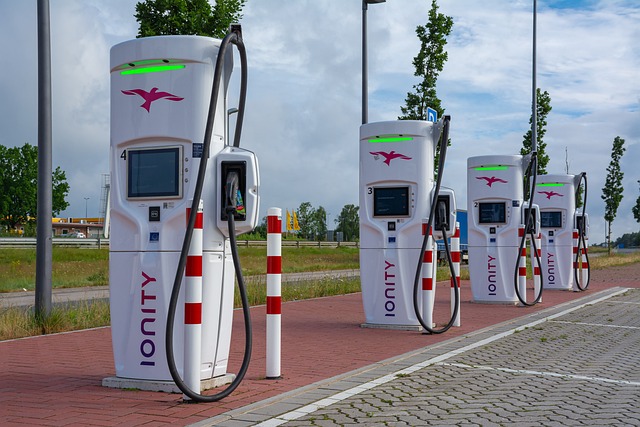
They also run quietly, which contributes to improving the acoustic environment in cities. Today, some models of these cars offer a range of up to 600 km on a single charge, which allows for comfortable travel even over longer distances. Electromobility also brings other challenges. One of the most significant is certainly the charging infrastructure, which is still not entirely adequate for the number of these cars. That is why we still see several electric cars waiting in front of charging stations for their turn. This problem definitely needs to be addressed. Electric cars also have a significant impact on environmental protection.

In addition, electromobility also supports the development of renewable energy sources, as electric cars can be charged from power grids that increasingly use energy from the sun, wind, or other environmentally friendly sources. In the future, electric cars are expected to continue to dominate the automotive market. Many car manufacturers have already announced plans to gradually transition to the production of electric cars and to stop producing vehicles with combustion engines. This trend shows that electric cars are not just a temporary fad, but represent a permanent change in the automotive industry. And one day, electric mobility will completely replace combustion engines on our roads.